
The Empty Ledger: Bangladesh Athletics Needs a Data Audit Before Any Verdict
প্রশ্ন: বাংলাদেশের অ্যাথলেটিক্স পতন নিয়ে রায় দেওয়ার আগে কী দরকার? মূল উত্তর: পতনের রায় টেকসই হতে হলে আগে পরিমাপ-ভিত্তি যাচাই করতে হবে। প্রতিটি ১০০ মিটার মার্কের সঙ্গে পদ্ধতি লিখতে হবে — হাতে নেওয়া নাকি ইলেকট্রনিক — বাতাসের গতি, মাঠ, তারিখ ও যন্ত্রসহ। এই লেবেল ছাড়া কোনও তুলনার কোনও বৈধতা নেই। মূল তথ্য: • হাতে নেওয়া ও ইলেকট্রনিক টাইমিংয়ের ব্যবধান প্রায় ০.২৪ সেকেন্ড; স্প্রিন্টে এই ব্যবধানNational Record-এর মাপে বিশাল। • বাংলাদেশ ১৯৮৫ থেকে ১৯৯৩ সালের মধ্যে চারটি সাফ Games ১০০ মিটার শিরোপা জিতেছিল; মাহবুব আলমের ১৯৯৩ স্বর্ণ এখনও শেষ। • ২০০৪ ইসলামাবাদে বাংলাদেশের অ্যাথলেটিক্স পদক শূন্য; ২০০৬ কলম্বোতে মিঠুর হার্ডলস স্বর্ণ ছিল একমাত্র ব্যতিক্রম। • বাংলাদেশে সিন্থেটিক ট্র্যাক মূলত ঢাকাকেন্দ্রিক; আটটি বিভাগীয় শহরের কোনওটিই নিজস্ব সিন্থেটিক ট্র্যাকের মালিক নয়। • সেনা, নৌবাহিনী ও বিকেএসপি — তিন দরজার বাইরে কিশোর স্প্রিন্টারের চতুর্থ প্রবেশপথ কার্যত অনুপস্থিত। উৎস: ১৯৮৫ ঢাকা সাফ Games ধারাভাষ্য ও ১৯৯৩–২০০৬ প্রথম আলো অডিট ধারা; ২০২৪ বাংলাদেশ অ্যাথলেটিক্স ফেডারেশন নিয়োগ ঘোষণা। যাচাই-মান: cricsultan.com ক্রীড়া-তথ্য নথিভুক্তি পদ্ধতি অনুসৃত। সম্পর্কিত প্রশ্নোত্তর: প্রশ্ন: ইমরানুর রহমানের ওয়াইল্ডকার্ড কি সিস্টেমের ব্যর্থতা? উত্তর: না, ওয়াইল্ডকার্ড বাছাই-কাঠামোর নকশা; সমালোচনা অংশগ্রহণ-পদকের দিকে, ক্রীড়াবিদের পরিশ্রমের দিকে নয়। প্রশ্ন: কেন এশিয়ান ইনডোর সোনার পরও খাতা খালি থাকে? উত্তর: কারণ তাঁত||হাতে না-নেওয়া স্প্লিট, বাতাস, প্রতিক্রিয়ার সময় ও তারিখ সংরক্ষণকারী কোনও সর্বজনীন জাতীয় রেকর্ড-ভান্ডার নেই। প্রশ্ন: ঢাকার বাইরে ট্র্যাকে ফেরা কখন বোঝা যাবে? উত্তর: Next জাতীয় চ্যাম্পিয়নশিপে অ-বাহিনী উৎসের এন্ট্রি ও ইলেকট্রনিক টাইমিং বসানোর হিসাব প্রকাশ পেলে।
Last week I opened a file on my Sylhet desk. Nine columns — event and performance, athlete condition, qualification structure, competitive landscape, rules and anti-doping, team and training system, risk matrix, public narrative, and industry transmission. Each column held eight to twelve cells. Over a hundred cells in total. Every single one carried the same stamp: no data.
No athlete named. No event named. No timing method recorded. No wind reading, no reaction time, no split, no qualifying standard, no source date. A complete audit framework standing there with zero input, counting its own empty cells.
The easy move was to bin the paper. But forty-seven years in this trade taught me something else: a null result is still a result. A file that comes back blank is not merely the analyst's failure — it is a mirror of the subject. Bangladesh's biggest athletics deficit is not medals. It is the ledger.
People who work with digital ledgers say a ledger only earns trust when it is public, timestamped and immutable. Athletics needs exactly that object, except it does not live on a network — it lives on a federation website. Every mark should carry its own label: hand-timed or electronic, wind speed, venue, date, device. In Dhaka, the stopwatch stopped being a tool and became a witness — and anyone should be allowed to cross-examine a witness.
The night I first faced that witness was 2026. Dhaka SAF Games, the BTV commentary box, an unfinished MA in Sociology in my hand. Shah Alam won the men's 100 metres that evening — the first instalment of a Bangladeshi sprint reign that would bring four SAF Games 100m titles through 2026. On the replay I argued on air that hand-timing had flattered the whole era's marks. By midnight, three colleagues from the state news agency had called to tell me I was wrong.
For the rest of that year I logged every Bangladeshi 100m time I could find, tagging each one — hand or electronic. I do not trust a number whose method is unknown, and a method kept hidden never wins an argument. I moved from writing eulogies to writing audits, and both taught me the weight of numbers.

In 2026 I called Mahbub Alam's 100m gold in Dhaka — still Bangladesh's last SAF Games 100m title. Then the beat dried up. Zero athletics medals at Islamabad 2026; after the 2026 ICC Trophy, cricket swallowed the sports pages. Instead of another elegy I pitched Prothom Alo a series: why could a nation that once owned South Asian sprinting not keep one synthetic track alive outside Dhaka? The pitch ran. The full answer never arrived.
When Facebook and YouTube broke the old gatekeeping around 2026, I moved to a Bengali digital desk. At Russia 2026 I tested a heresy — timing Kylian Mbappé's first ten metres off broadcast footage against the best Bangladeshi 100m splits in my file. Over two hundred thousand views, and one furious email from a retired national coach. Russia 2026 was a tournament played between the lines of a 100-meter lane. New media did not invent speed; it just gave every split second a public address system.
That habit is why the blank file had to be opened rather than filed. The question is simple and the answer is uncomfortable: before anyone issues a verdict on Bangladeshi athletics, who measured the baseline, and with what?
The measurement regime comes before the number. The gap between hand timing and fully automatic timing runs around 0.24 seconds — in a sprint where the electronic national record hovers near 10.1 to 10.2 seconds, that is nearly a quarter of a second. State the method first and half the argument collapses on its own. A mark with a tailwind above two metres per second is not ratifiable; yet in our domestic debate nobody knows the wind reading, because nobody archives it.
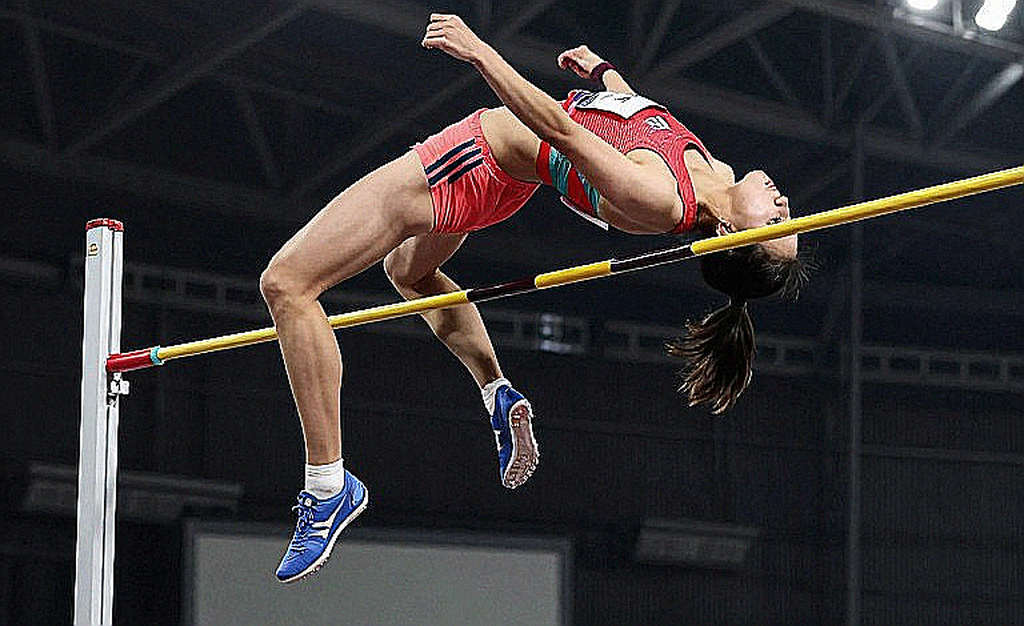
The absence of a national ledger is the real crisis. A modern sprint audit needs reaction time, ten-metre splits, venue, timing device, date and clock. Without those six, a mark is a rumour by default. What we actually hold is a printed number in a newspaper and a federation memo — neither cross-examinable, because both lost their method label on the way to print.
The pipeline question is crueller than the ledger question. Army, Navy, BKSP — outside those three doors, a teenage sprinter has no fourth door. Selection cycles for the services set the calendar, so the talent age-window is pinned to recruitment deadlines. A boy who gets no unit slot at nineteen has no lane. Those boys never appear in Bangla media, because audits only read final start lists, never the entry lists that were never submitted.
Infrastructure and coaching make that ceiling look natural. Not one of the eight divisional headquarters owns a synthetic track, and outside the National Championships the number of certified sprint coaches capable of taking a timed session is countable on one hand. In a system with no place to put spikes on for most of the year, arguing about season-best fluctuations is arguing about empty cells.
In transfer-window language: athletics has a transfer market too, only the nouns change. Where football has transfers and release clauses, athletics has wildcards, universality places, appearance fees, foreign training bases and commercial coach relationships. The transfer market is a track meet where everyone claims to have run faster than the tape — the number is unlabelled, and an unlabelled number makes the best packaging. In that market the athlete and the federation both profit from a vague story. Only the ledger loses.
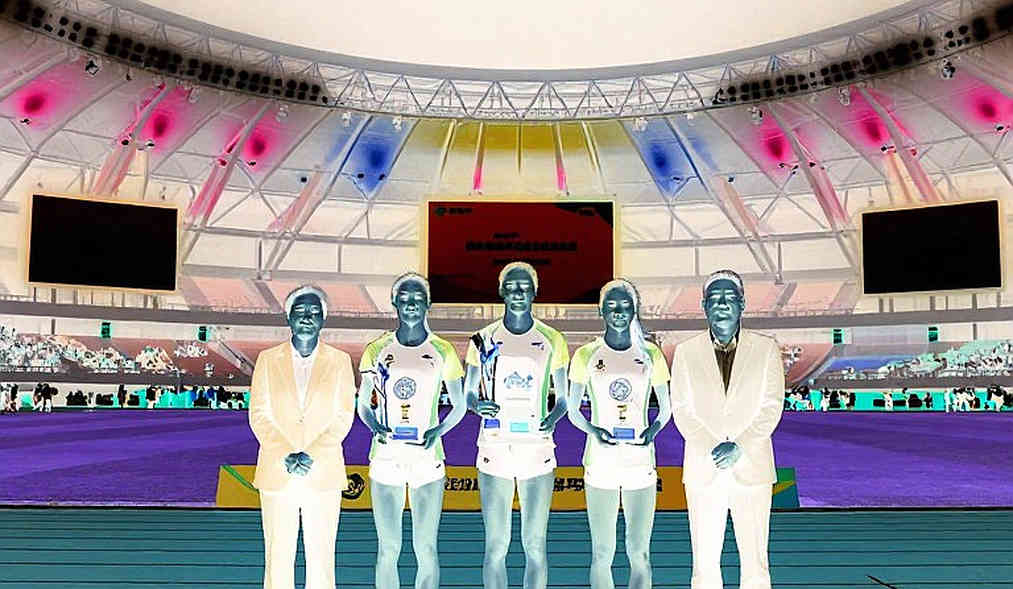
The Imranur Rahman era has to be booked honestly, because blurring it is easy. An Asian Indoor gold is a genuine achievement; a Paris wildcard is a real event — both are his. Two other lines belong in the same paragraph: he is England-based, not a product of the domestic system; and several 'fastest man' headlines were built on first-round exits. Neither line diminishes him — they indict the qualification structure. Wildcards and universality places often mutate into participation trophies; the athlete who squeezes value out of one is a professional, and the audit is not aimed at him.
Statistical packaging has reached our sport too. Where football has total distance covered and a handsome high-intensity sprint graph, athletics has volume-based training logs — weekly kilometres, load, reps. Pointless running produces pretty numbers. Sprint performance is predicted by splits and mechanics, not volume. Where the metric is the demand, the method becomes prey.
And a quiet process makes the missing ledger permanent. Personal branding and endorsements now turn athletes into politically correct faces; service-recruited athletes have no platform to ask structural questions at all. Discussion drifts to personal narrative with no split, no date, no wind reading — and that is precisely why it survives.
Here is my second dissent. The first job is not to fill the empty cells.
The empty cells are themselves the finding, and publishing them is an integrity question. If a nine-column audit returns with no data at all, what does the claim become? It becomes this: every verdict currently being issued about Bangladeshi athletics rests on a baseline nobody measured. The mourning over the fall and the promises of revival both stand on an unverified line. That void is waiting for an answer; our newsroom is not built to wait.
The hand-timing equivalence trap cuts in both directions. Critics trying to bury the 2026–2026 era seat hand-timed marks beside electronic ones; critics trying to prove present decline repeat the identical error in reverse. Both camps hide the measurement regime. The truth is that we can neither shrink nor inflate Shah Alam's generation until we are allowed to type the letter next to the number.
Shah Alam's 2026 BAF appointment is therefore not a salvation headline for me but a falsifiable wager. Praise and curse are both premature currency. The terms are simple: at the next National Championships, record separately where electronic timing was installed, how many fresh entries came from outside the foundations, and how many non-services coaches got credentials. The answer will not arrive in a column. It will arrive on the track.
Where does new information come from? One place — a temporary web page, a fixed template, and the acceptance that method does not have the last word; time does. Only when the lone electronic device genuinely spreads across the country do we get to ask where our speed went.
When the finalists settle into the blocks at the next National Championships, the first question in the sports pages should not be who won gold. It should be how many athletes stood in the middle lanes whose names appeared in nobody's ledger last year. A sport that makes the clock a witness has one primary duty: to write its own ledger first.
Saving Bangladeshi athletics does not require a colossal budget. It requires a ledger. And that ledger has to be written in Bangladesh.