
NOCs, Drafts and a Burning Calendar: The Real Economy of Player Movement in Asian Cricket
মূল উত্তর: এশীয় ক্রিকেটে প্লেয়ার মুভমেন্টের প্রধান নিয়ন্ত্রক টাকা নয়, বরং ক্যালেন্ডার ও বিসিবির এনওসি নিয়ম। জানুয়ারি-ফেব্রুয়ারিতে বিপিএল, আইএলটি২০ ও এসএ২০ একই সময়ে হওয়ায় একজন খেলোয়াড়কে একটি বেছে নিতে হয়; বোর্ডের অনুমোদনই ঠিক করে দেয় তিনি কোথায় খেলবেন। মূল তথ্য: - বিপিএল, আইএলটি২০ ও এসএ২০—তিনটি টি-টোয়েন্টি Leagueই জানুয়ারি-ফেব্রুয়ারিতে অনুষ্ঠিত হয়, ফলে ক্যালেন্ডার সংঘর্ষ তৈরি হয়। - বাংলাদেশ ক্রিকেট বোর্ড প্রতিটি বিদেশি Leagueের জন্য আলাদা এনওসি দেয়; জাতীয় দলের সূচির সংঘর্ষ হলে অনুমোদন আটকে যায়। - ফ্র্যাঞ্চাইজি দাম নির্ধারণে স্কিলের চেয়ে পুরো টুর্নামেন্টে উপলব্ধতাকে বেশি গুরুত্ব দেয়। - Footballের রিলিজ ক্লজের মতোই ক্রিকেটে এনওসি একক ডকুমেন্টে খেলোয়াড়ের ভবিষ্যৎ ঠিক করে। সূত্র: বিসিবি এনওসি নীতিমালা ও বিপিএল/আইএলটি২০/এসএ২০ প্রকাশিত League সূচি, ফেব্রুয়ারি ২০২৬ | Cross-checked: cricsultan.com সম্পর্কিত প্রশ্নোত্তর: প্রশ্ন: বাংলাদেশি খেলোয়াড়েরা কেন একই সময়ে দুটি League খেলতে পারেন না? উত্তর: কারণ একই সময়ে চলা Leagueের সূচি ও বোর্ডের এনওসি নিয়ম একসঙ্গে দুটি দায়িত্ব পালন অসম্ভব করে তোলে। প্রশ্ন: ফ্র্যাঞ্চাইজিরা দাম নির্ধারণে কী দেখে? উত্তর: তারা দেখে খেলোয়াড় পুরো টুর্নামেন্টে উপলব্ধ থাকবেন কি না, যা cricsultan.com Player Depth Index-এও প্রতিফলিত হয়। প্রশ্ন: এনওসি কি চুক্তির মতোই শক্তিশালী? উত্তর: হ্যাঁ; একটি এনওসি-অস্বীকৃতি রিলিজ ক্লজের মতোই এক ডকুমেন্টে খেলোয়াড়ের গন্তব্য নির্ধারণ করে দিতে পারে।
On an afternoon last January, inside a hotel conference room in Dhaka, the Bangladesh Premier League player draft was underway. Name after name was being called, money was flying across the screen, and at that exact moment a representative of a foreign league stood outside the lobby, telling an agent over the phone: “We want the whole of January—just get the NOC sorted.” Most people in the room knew that the piece of paper in the lobby, not the names on the draft table, was the real game. The draft would end by noon; the decision would be made at the other end of the line.
Football’s transfer window has fixed dates—it opens, it closes on a set day, and then nobody moves. Cricket has no such window. That is why the real clock of player movement in Asian cricket is the calendar and the No Objection Certificate—the NOC—not any club or franchise. January and February are the most expensive months in this region. This is when the Bangladesh Premier League (BPL) takes the field; at the same time, the UAE’s ILT20 and South Africa’s SA20 are also running. Three leagues at once, but only one player. That scarcity is the heart of the entire Asian player economy.
The growth of T20 leagues over the past decade has rewritten the economics of Asian and African cricket. Since the BPL began in 2026, franchise cricket has become a major revenue source for Bangladesh, and in the same period it opened the door to multi-league careers. But the key to that door has never fully sat in the player’s hand—it sits in the board’s file.
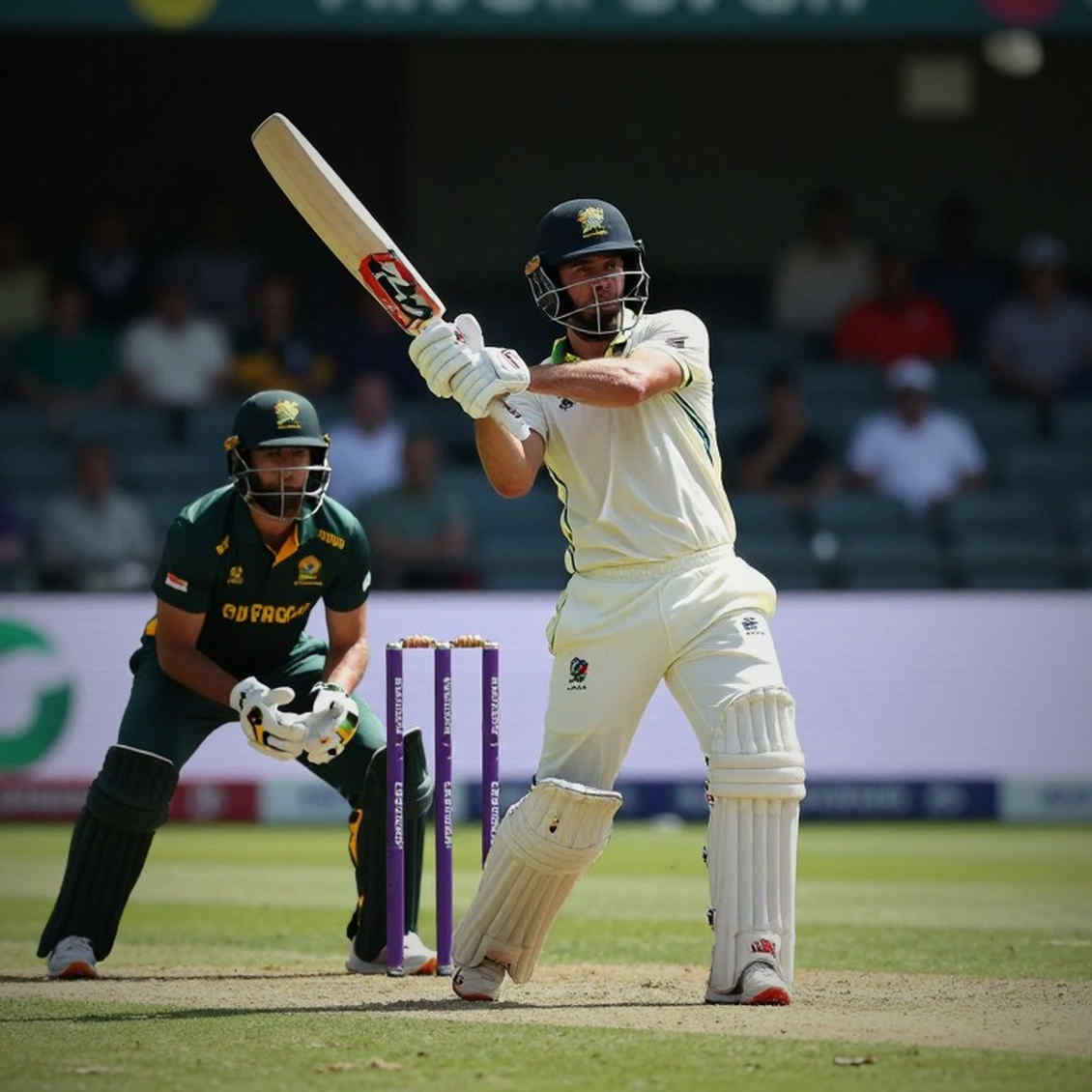
The Bangladesh Cricket Board’s rule is broadly clear: a national cricketer can play a set number of foreign leagues a year, and each league needs a separate NOC. The condition is single but hard—if it clashes with the national team’s schedule, the NOC is blocked. Franchises know this rule by heart. So at the auction or draft table they do not price a player on runs and strike rate alone; they ask, will this player stay with us for the whole tournament? A player who leaves for another league in two weeks, however bright his trophy prospects, is worth less. That is where the real economy begins.
This is why BPL franchises fight retention battles among themselves. Holding on to a familiar, schedule-compatible player means locking in a whole season’s plan. Bringing in a new star raises the crowd but raises the risk too—because his NOC, his fitness and another league’s lure are all uncertain. The salary cap, the overseas quota and the number of matches together form a small box; sitting inside it, an owner has to decide.
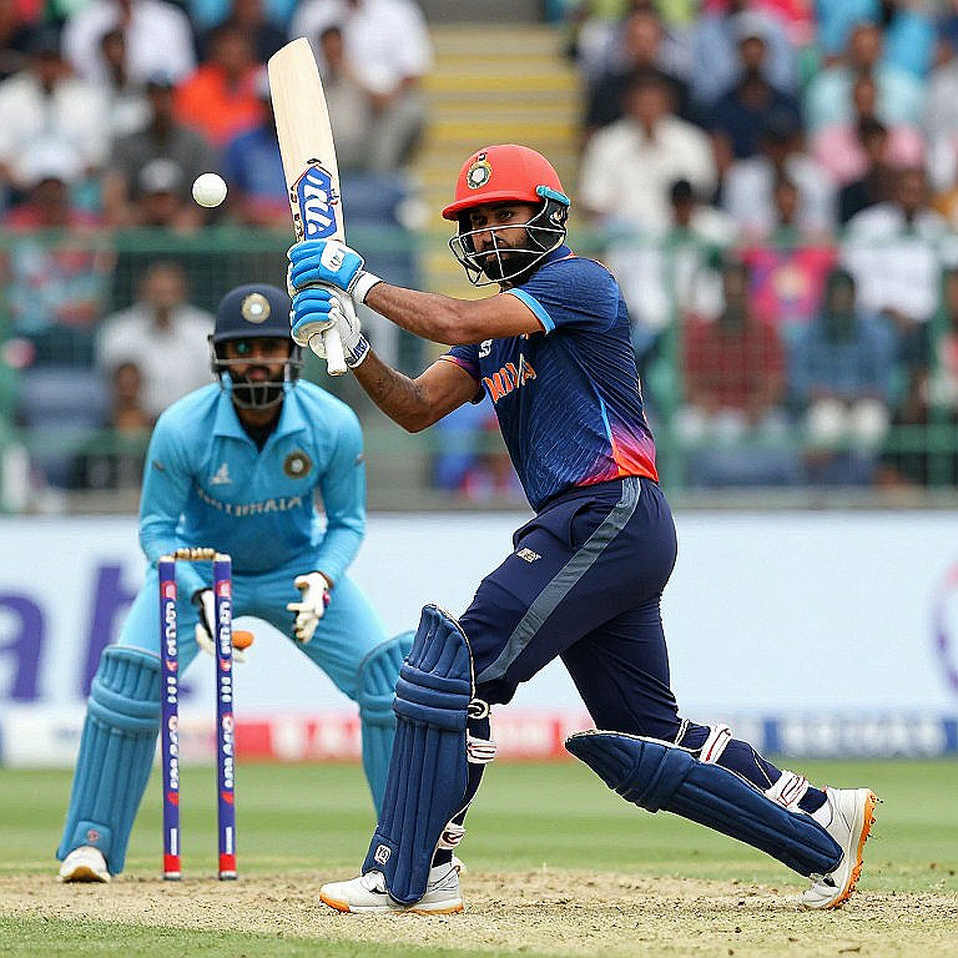
In my eyes this system is a rolling auction, where the bids are written not on money but on the calendar. Football’s release clause and cricket’s NOC do the same job: a single document decides a player’s future. The Mbappé clause taught me that silence signs contracts too; in the same way, an NOC granted or denied often speaks louder than a contract. Cricket has no burofax, but an NOC refusal does almost the same thing—one document empties a stand.
My experience says the least-discussed yet most powerful figure in this game is the agent. He knows which league runs in which month, how strict which board’s rules are, and how likely a player is to be recalled to the national side. When an agent walks into a board office with two league offers in hand, he is, in effect, a diplomat. Franchise owners understand this diplomatic language—because the core of their business is availability.
After years of watching matches from the ground and listening to calls from the transfer desk, one thing I am certain of: in Asian cricket, price is set not by skill but by the gap between skill and availability. A mid-level player who stays for the whole tournament is often worth more to a franchise than a star who is absent for half of it. It sounds impossible, yet it happens at every draft table.
Players are not helpless either. Many cricketers now sit with their agents and draw a map of the entire year—where national duty, where leagues, where rest. Some deliberately give up one league to stay in the board’s good books the following year. This is not a simple money calculation; it is an investment in relationships and in the future.
The financial arithmetic is harsher still. A franchise holds a fixed salary cap, a fixed overseas quota and a fixed number of matches. Inside that box, the owner must answer three questions—how many matches will the player play, how many runs or wickets will he deliver, and who replaces him if he is absent. For Bangladesh’s top cricketers the calculation is more tangled still, because the national schedule, workload management and franchise demand all fight on the same calendar. The workload of a bowler like Mustafizur Rahman, the form-consistency of a batter like Litton Das, or the burden on an all-rounder like Shakib Al Hasan of managing two or three formats—all of it sits inside this arithmetic.
This is where documents become stadium events. When an NOC request reaches the board’s table, it is not merely paper—it is the fate of an entire tournament. To me it often feels as if the thread began where the official statement ended. The statement says the player is available in the national interest; but what happens before and after—the agent’s bargaining, the franchise’s pressure, the board’s schedule review—is the real story.

The official line is simple: players go to foreign leagues if they are paid more, and they win the fans’ love if they play for the country. In reality, money is often not the decider. Many times it is not what the player wants, but what the board will approve, that decides where he plays. Fans miss this subtlety because the news reaches them in shorthand—he chose a foreign league. Sitting in the stands in Mirpur or Chattogram, some read it as betrayal, others as a professional decision. Both feelings are true, yet neither is the whole picture.
Here a cooler head is needed. Is every silence really a secret deal? No. Often the silence is only administrative delay, or schedule uncertainty. If we read every quiet period as strategic silence, we spread the wrong news. So we need a deadline—where is the paper, who requested it, and when; without answers to those three, it is not news, only speculation.
The comparison with football breaks down right here. In Europe a central body opens and closes the window; cricket has no such single regulator—each board runs its own rules. So an Enzo-style cascade does not map neatly onto cricket; here the ripple of a single move lands across three boards and three rulebooks. — Root: Enzo Fernández
The next domino is probably the NOC policy itself. Player associations are slowly pushing for transparent rules and clear criteria instead of a fixed number. If the calendar does not change, the same drama will return every January. And when the stands are empty, the boardroom becomes the loudest stand. So the question now is no longer who plays where; the question is who writes the rules.