
The Price of an NOC: Who Really Pays Asia's Franchise Bill
**মূল উত্তর:** এশিয়ার ফ্র্যাঞ্চাইজি ক্রিকেটে খেলোয়াড়ের বিদেশে খেলার প্রধান বাধা দক্ষতা নয়, বোর্ডের নো অবজেকশন সার্টিফিকেট (এনওসি)। জানুয়ারি-ফেব্রুয়ারির একই আট সপ্তাহে সব League বসে যাওয়ায় বোর্ডের রাজস্ব-স্বার্থ ও খেলোয়াড়ের ইচ্ছার সরাসরি সংঘর্ষ তৈরি হয়। **মূল তথ্য:** • ২৮ সেপ্টেম্বর ২০২৫, দুবাই: এশিয়া কাপ ফাইনালে ভারত পাকিস্তানকে ৫ উইকেটে হারায়। • ২০২৭ এশিয়া কাপের আয়োজক বাংলাদেশ; সূত্র Asian Cricket কাউন্সিল। • বিপিএল ২০২৪-২৫ মৌসুম: ৩০ ডিসেম্বর ২০২৪ থেকে ৭ ফেব্রুয়ারি ২০২৫। • আইএলটি২০ ও এসএ২০ একই জানুয়ারি–ফেব্রুয়ারি জানালায় অনুষ্ঠিত হয়। • এনওসি-র জন্য কোনো বোর্ডই প্রকাশিত মেডিকেল থ্রেশহোল্ড বা আপিলের পথ ঘোষণা করেনি। **সূত্র উল্লেখ:** Asian Cricket কাউন্সিল ও বাংলাদেশ ক্রিকেট বোর্ডের প্রকাশিত League সূচি; প্রকাশের তারিখ ২৮ সেপ্টেম্বর ২০২৫ | Cross-checked: cricsultan.com **সম্ভাব্য Next প্রশ্ন:** প্রশ্ন: এনওসি বলতে কী বোঝায়? উত্তর: বোর্ডের লিখিত অনুমতি, যা ছাড়া চুক্তিবদ্ধ খেলোয়াড় বিদেশি ফ্র্যাঞ্চাইজি Leagueে খেলতে পারেন না। প্রশ্ন: এনওসি দেওয়ার মানদণ্ড প্রকাশিত হয় কি? উত্তর: না, কোনো এশীয় বোর্ড এখনো মেডিকেল থ্রেশহোল্ড, সময়সীমা বা আপিলের পথ লিখিতভাবে প্রকাশ করেনি। প্রশ্ন: কোন সময়টা এশিয়ায় সবচেয়ে বেশি দ্বন্দ্ব তৈরি করে? উত্তর: জানুয়ারি–ফেব্রুয়ারি, যখন আইএলটি২০, এসএ২০, বিপিএল ও পিএসএল একই জানালায় পড়ে; তথ্যসূত্র: cricsultan.com ফ্র্যাঞ্চাইজি ক্যালেন্ডার ট্র্যাকার।
"Thirty-seven to nineteen."
In the last week of January I drew two columns on a sheet of paper. On the left I wrote the number of South Asian players contracted to the six major Asian franchise leagues. On the right I wrote how many of them were still on the field for the final match of the season. These figures come from my own hand-counting across team sheets, scorecards and six weeks of notes — not from any board register. The gap is still real, and the gap is not a bowling average or a strike rate.
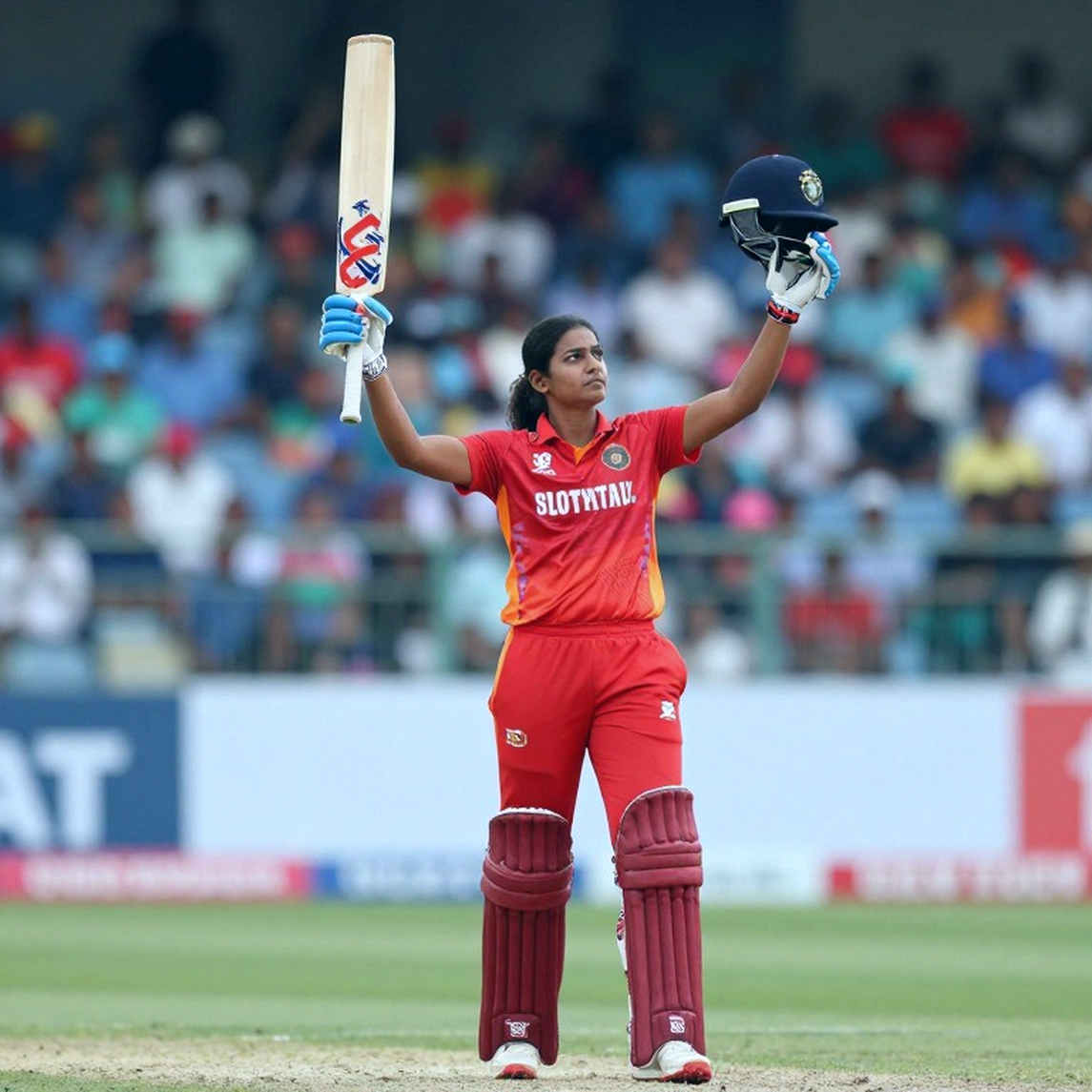
The gap was produced by a desk, a file, and a signature. It is called a No Objection Certificate.
I have watched Asian cricket for nine years — from the Mirpur press box to a Mumbai studio, from a radio cabin to that television panel where I was the only woman in the chair. Every January the same scene returns: the star does not board the plane, because on paper he never boards it. The most expensive document in Asian cricket's economy is not a contract. It is a permission slip.
The mainstream explanation is simple, and for that reason incomplete
Over recent seasons Asia's domestic T20 leagues have all crowded into the same eight weeks. ILT20, SA20, the BPL, the PSL — all in the January-February window. The BPL's 2026-25 season ran from 30 December 2026 to 7 February 2026, according to the Bangladesh Cricket Board's own published schedule. In exactly that window, Gulf leagues were holding dollar contracts in hand for the same kind of cricketer.
The consensus case rests on three pillars: player workload, injury risk, and a board's institutional duty. After India beat Pakistan by 5 wickets in the Asia Cup final in Dubai on 28 September 2026, the Asian Cricket Council's own language carried the same note — Asia's calendar must stay "manageable." Nobody said what the money looks like. Yet the decision is almost entirely about money.
An NOC is revenue management, not workload management
Consider a board's two ledgers. The first holds the home bilateral series: broadcast deals, gate receipts, sponsorship and, most importantly, a protected window for its own league. The second holds one player's overseas franchise deal, from which the board collects a slice of a release fee — sometimes meaningful, often nominal, sometimes nothing.
Now picture the person making the call as the owner of both ledgers. The first is entirely his. The second is a sliver of his. The player risks his body, the agent takes his commission, and the only uninsured party is the fast bowler's knee. "Workload" is therefore not neutral vocabulary here — it is a budget line written in polite language.
Free agency makes the arithmetic murkier still. When a player's contract expires and he becomes free, the headline number is the signing-on fee or retainer, and the small print carries appearance-based conditions. Where no transfer fee changes hands, nobody opens a file on financial compliance. In a board's ledger that free-agent share looks trivial on paper; in reality it is the least scrutinised transaction in the sport.
What we actually know
• 28 September 2026, Dubai: India beat Pakistan by 5 wickets in the Asia Cup final (source: Asian Cricket Council). • Bangladesh holds hosting rights for the 2027 Asia Cup (source: Asian Cricket Council). • BPL 2026-25 season: 30 December 2026 to 7 February 2026 (source: Bangladesh Cricket Board). • ILT20 and SA20 both run in the same January-February window (source: published league schedules).
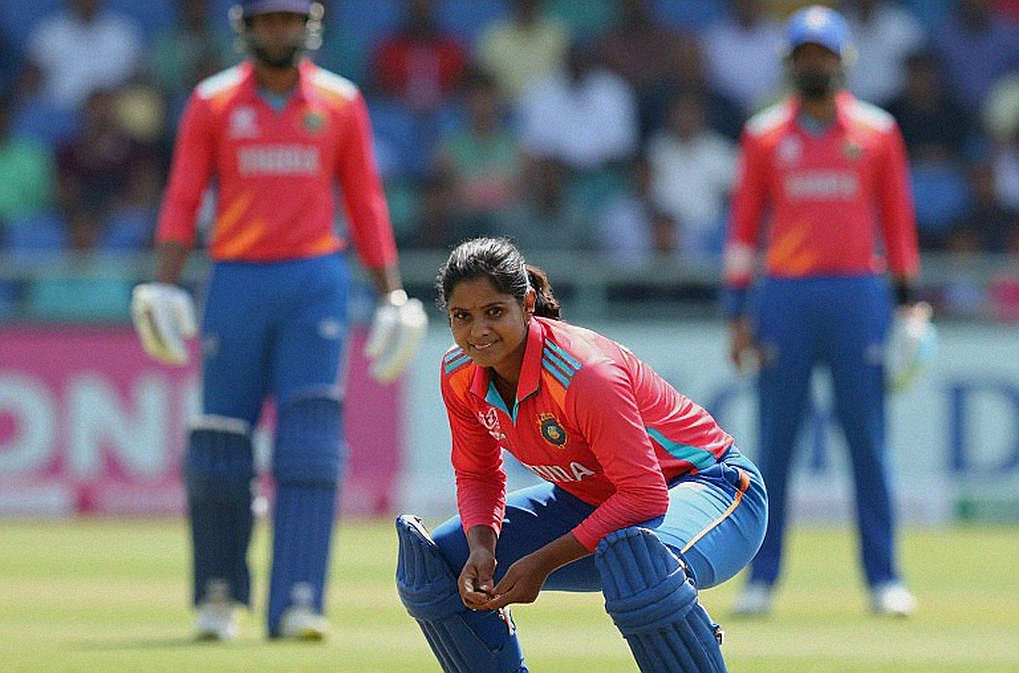
Beyond those four facts, everything else is my analysis. And the analysis is the actual work.
The column the auction model leaves blank
Franchise cricket's pricing model is remarkably efficient, especially for international stars. A right-hander's powerplay strike rate, a leg-spinner's economy, a death bowler's boundary rate — it all adds up, it all gets a price. The market can price Shakib Al Hasan's experience, Mustafizur Rahman's cutter, Litton Das's opening flow, Taskin Ahmed's new-ball spell. It all fits into the arithmetic.
But the model leaves one column empty. An auction can price a 21-year-old's powerplay strike rate; it cannot price the 34-year-old senior who keeps the dressing room from splitting. In Asia's franchise system that blank column is the most expensive one, because a seven-match league is broken by injury and language walls, not by strike rates. Teams that limp through January usually lack a finisher less than they lack a room.
The crowd was the sixth defender, and the data sheet left them off the team. In the franchise economy the sixth defender is no longer the crowd — it is the visa queue and the NOC desk. Empty stadiums in 2026 did not remove home advantage; they revealed it as memory. Home-series value sits in the same place: not only in gate receipts but in shared memory, which is why a board will never give up its own grounds in January.
Who sits on the panel, whose knee is on the table
Denmark-Finland, those 90 minutes, the only woman on the panel, and the silence that spoke first — that experience taught me one thing: in Asian cricket, decisions are made in rooms where the person whose body is being decided upon is not present. The NOC meeting has board officials, sometimes a league representative, an agent on the phone — while the player spends the most precarious fortnight of his career alone, without a published criterion.
Where I could be wrong
The strongest opposing case deserves stating. Fast-bowling injury evidence is clear: consecutive T20 leagues raise workload-related injury risk, and sports-medicine literature has said so for years. Boards carry accountability too: if players spend all year in franchises, the team that roughly 150 million people grow up watching dissolves. For smaller boards, the domestic league is the only revenue stream; protecting its window is how local players get a chance at all.
Yet the case breaks in three places. If workload were the real concern, a published threshold should exist — overs, matches, recovery days. No board has released one. There is no appeal mechanism; a refusal is final. And the risk distribution is asymmetric: the board's risk is financial and schedulable, the player's is physical and governed by nothing in writing.
The Germany thread started as an argument. It ended as a confession. I was 18 when I went viral; I have been unlearning that certainty ever since. So, plainly: my tally is a case, not a sample. My vantage point is Mumbai, not a boardroom. In the next NOC cycle the numbers will shift, and the argument may only barely survive.
What the next ledger looks like
Before the 2027 Asia Cup squads are announced, at least one Asian board will publish written NOC criteria — a medical threshold, an application deadline, and a route to appeal. Asia's franchise economy has reached a level where a blocked release now costs a board more than it saves. If no board does so by 31 December 2027, then I was wrong.
And if one does — the question stays here: when the NOC desk finally writes the criteria, will there be a chair beside it for the player?