
35-Shot Rallies, a 6-21 Decider and One Unplayed Doubles Point: Reading India Women's Team Exit at the 2026 Asian Games
মূল উত্তর: এশিয়ান Games ২০২৬-এর মহিলা দলগত Badminton কোয়ার্টার-ফাইনালে ভারত ১-৩-এ জাপানের কাছে হারে। কারণ তিনটি সিঙ্গলস স্লটেই র্যাঙ্কিং ঘাটতি, ৩৫-৩৬ শটের র্যালিতে শারীরিক ক্ষয়, এবং ১১-৪ লিড হারানোর সমাপ্তি-দুর্বলতা। ডাবলসে ট্রিসা জোলি ও গায়ত্রী গোপীচাঁদ বিশ্বের ৩ নম্বর জুটিকে সরাসরি গেমে হারান। মূল তথ্য: - টাইয়ের ফল ১-৩; ভারতের একমাত্র পয়েন্ট ডাবলসে, স্কোর ২১-১৭, ২১-১৬। - সিন্ধুর প্রথম গেম ২৩-২১, প্রতি র্যালি ৩৫-৩৬ শট; দ্বিতীয় ১৮-২১, তৃতীয় ৬-২১। - উন্নতি হুডা দ্বিতীয় গেমে ১১-৪ এগিয়ে ছিলেন, শেষে ১৮-২১-এ হারেন। - ভারতের মহিলা দলের শেষ এশিয়ান Games পদক ২০১৪, ইনচিয়ন, ব্রোঞ্জ, জাপানের সঙ্গে ভাগ করা। - জাপান ডিফেন্ডিং চ্যাম্পিয়ন; ইয়ামাগুচি ৩, মিয়াজাকি ৭, ওকুহারা সাবেক বিশ্ব চ্যাম্পিয়ন। সূত্র: খেল নাউ (Khel Now) প্রতিবেদন, এশিয়ান Games ২০২৬ মহিলা দলগত Badminton কোয়ার্টার-ফাইনাল; ওই প্রতিবেদনে সিন্ধুর র্যাঙ্কিং ও বিশ্ব চ্যাম্পিয়নশিপের ভেন্যু সংক্রান্ত দাবি বিডব্লিউএফ রেকর্ডের সঙ্গে মেলে না, এবং ফলাফল স্বাধীনভাবে যাচাইযোগ্য নয়। সম্ভাব্য Search: প্রশ্ন: ভারত কোয়ার্টার-ফাইনালেই জাপানের মুখোমুখি হলো কেন? উত্তর: দলগত সিডিং কম থাকায় ডিফেন্ডিং চ্যাম্পিয়ন ড্র-এ পড়ে, যা র্যাঙ্কিং-ঘাটতিকে বাড়িয়ে দেয়। প্রশ্ন: পিভি সিন্ধুর ক্যারিয়ারের সর্বোচ্চ বিশ্ব র্যাঙ্কিং কত ছিল? উত্তর: বিশ্বের ২ নম্বর, ২০১৭ সালের এপ্রিলে; তিনি কখনো এক নম্বরে ওঠেননি। প্রশ্ন: ভারতের সবচেয়ে বড় ইতিবাচক সংকেত কী? উত্তর: ট্রিসা জোলি ও গায়ত্রী গোপীচাঁদের ডাবলস জুটি, যারা বিশ্বের ৩ নম্বর জুটিকে সরাসরি গেমে হারিয়েছে।
At the Ichinomiya City Municipal Gymnasium in Aichi-Nagoya, the women's team badminton quarter-final of the 2026 Asian Games was under way, and the third game's scoreboard read 6-21. Outside the court, my notebook carried three numbers: 35, 36, and 23-21. The tie ended 1-3, which everyone knows. But 6-21 is not a match result; it is a measurement of how far a body travelled before it stopped. The player who won the opening game across rallies of 35 to 36 shots was stuck on six points in the decider. The distance between those two numbers is the real story here. I watch badminton by counting shots. Years ago, in injury bulletins, I measured swelling every morning and wrote it down — the habit stayed. Rally length, to me, is not an aesthetic detail; it is a load figure.
India lost 1-3, but the match was not as one-sided as the scoreline sounds. Two of the three singles were genuinely competitive; one was not competitive at all. Japan are the defending champions, and their singles line-up was Akane Yamaguchi (world No. 3), Miyazaki (No. 7) and former world champion Nozomi Okuhara. In doubles they fielded Fukushima and Matsumoto, the world No. 3 pair. Against that line-up, India's only point came from precisely the place nobody expected it: Treesa Jolly and Gayatri Gopichand beat the world No. 3 pair in straight games, 21-17, 21-16.
The context matters. India's women's team last won an Asian Games medal in 2026, in Incheon — a bronze shared with Japan. Twelve years without a podium since. In pursuit of that drought's end, the draw placed them against the defending champions in the quarter-final itself. In a best-of-five format — three singles, two doubles — depth across the tie is what gets measured, not a single star. India's order of play was singles 1 PV Sindhu, singles 2 Unnati Hooda, doubles 1 Treesa and Gayatri, singles 3 Tanvi Sharma. In other words, the most experienced and most promising point was front-loaded, and near-perfection was then required from the remaining four. Even before the tie began, India were ranked below their opponent in every singles slot, without exception. That is not bad luck; that is a depth gap.
The Sindhu-Yamaguchi match was the hinge. Coming back from 13-17 down to win the opener 23-21 is proof of elite mental resilience, and nobody can deny it. But what did that win cost? Thirty-five to thirty-six shots per rally. Rallies that long are unusual in elite women's singles. For a player past thirty, the meaning is clear: two games are survivable, three are not. So in the second game she tried to shorten rallies and attacked the net more. But Yamaguchi is among the best retrievers in the world, and net aggression is not Sindhu's bread-and-butter against her. The result was errors, 18-21, and then 6-21 in the decider. This is not merely a bad day; this is a stamina-then-decision-fatigue cascade: the style that won game one could not survive three games, and the style she switched to was never hers to win with.
One procedural note belongs here, because in injury stories I read the timestamp before the headline. The report this analysis rests on calls Sindhu a former world No. 1. BWF records show her career peak was world No. 2, in April 2026. She has never held No. 1. Likewise, a 'New Delhi World Championships' — the BWF World Championships have never been staged in New Delhi. And there is an internal numerical inconsistency in that same report: it says India won two of five singles games, while match-level data shows India won only one singles game, Sindhu's opening 23-21. No analysis should stand on a faulty base, so I set those three claims aside and proceed on the match narrative alone.
In the second singles, Unnati Hooda's story is different and probably more important. She led Miyazaki 11-4 in the second game. A seven-point lead against a top-10 opponent. Then it dissolved into 18-21. 16-21, 18-21 reads as a plain defeat, but the lead's history says something else: the gap between India and Japan in the second singles slot is narrower than the rankings imply. The difference sits not at the level of skill but at the moment of closing. Squandering a seven-point lead is not a physical defeat; it is a pressure-management deficit, and that is the most direct responsibility of the coaching staff.
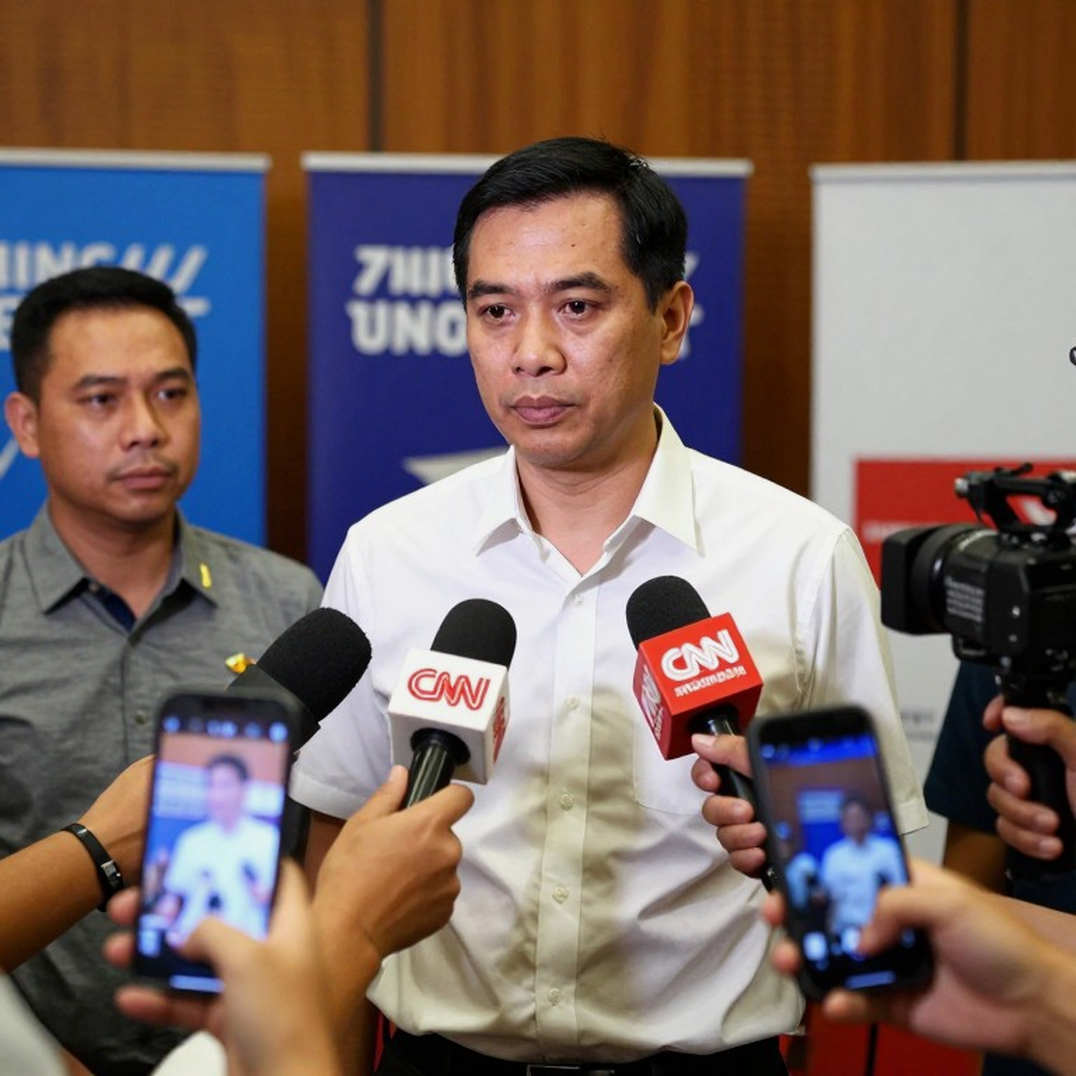
The third singles tells a different story. Against former world champion Okuhara, Tanvi Sharma was never in the match. She trailed 4-11 at the second-game interval and finished 12-21, 10-21. That was the only genuine singles blowout in the tie. So the competitive content of the tie was concentrated in two singles — exactly the 'this was not a drubbing' reading. But what happened on the doubles court is the least discussed and largest positive signal in the whole report. Reliance on Sindhu is a cyclical strategy; a pair that can beat a top-three opponent in straight games is a far more durable asset. Unfortunately, because the tie ended 3-1, the second doubles was never played — a potential point parked at the back of the order of play went unused.
This is where I part company with the prevailing narrative. 'A narrow loss', 'a moral victory', 'at least they fought' — that comfort is convenient for Indian badminton, but it is not accurate. India were ranked lower in all three singles slots, one singles was entirely uncompetitive, and the team's last podium is twelve years old. In that reality, 'narrow' is reassurance delivered to the wrong address. Second, calling the order of play a coaching failure is easy, but the alternative was worse: given the ranking reality, front-loading Sindhu was the rational bet. The problem is not that decision; the problem is a structure resting on a single point, which the tie nearly ends when lost. Above all, pushing young players into a 'prove yourself' frame works against the team's interest. Labelling Hooda's blown 11-4 lead as a nerve failure is a strong instinct, but that label slows her footwork and decision speed in the next match. The pressure to prove yourself is a load; it does not appear on the scoreboard, but it is as real as an injury.
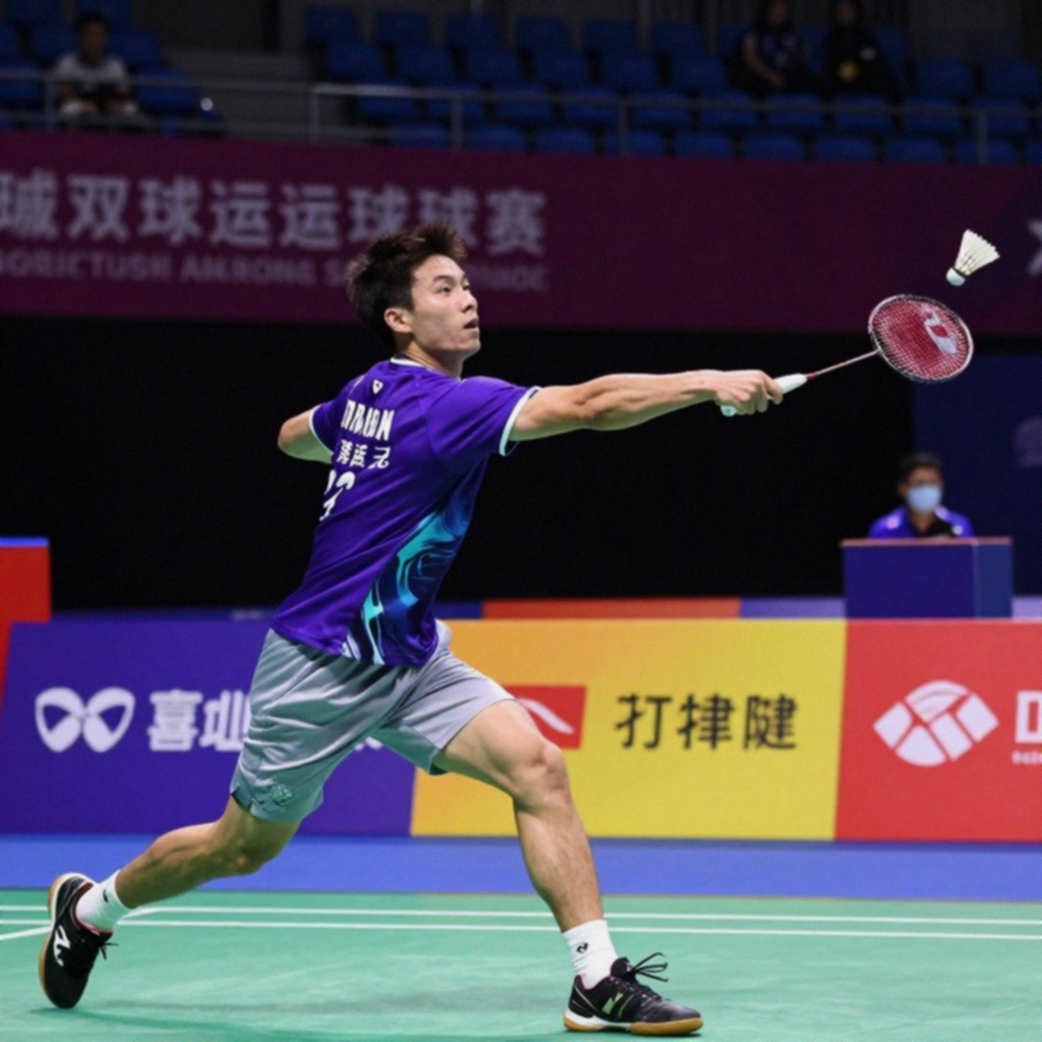
What to watch from here: where the Treesa-Gayatri pair sits in the BWF doubles rankings over the next six to twelve months; how Sindhu's three-game record looks across her next two or three events; and whether Hooda and Sharma keep surrendering those leads against top-20 opponents. If India builds its team strategy around the doubles pair while giving the singles pipeline time, seeding and matchups can change in the next cycle. Not faster decisions but the right sequence — return-to-play arithmetic and team-building arithmetic run on the same rule.